Digital Twins Applications: 10 Powerful Benefits and Future Trends in 2026
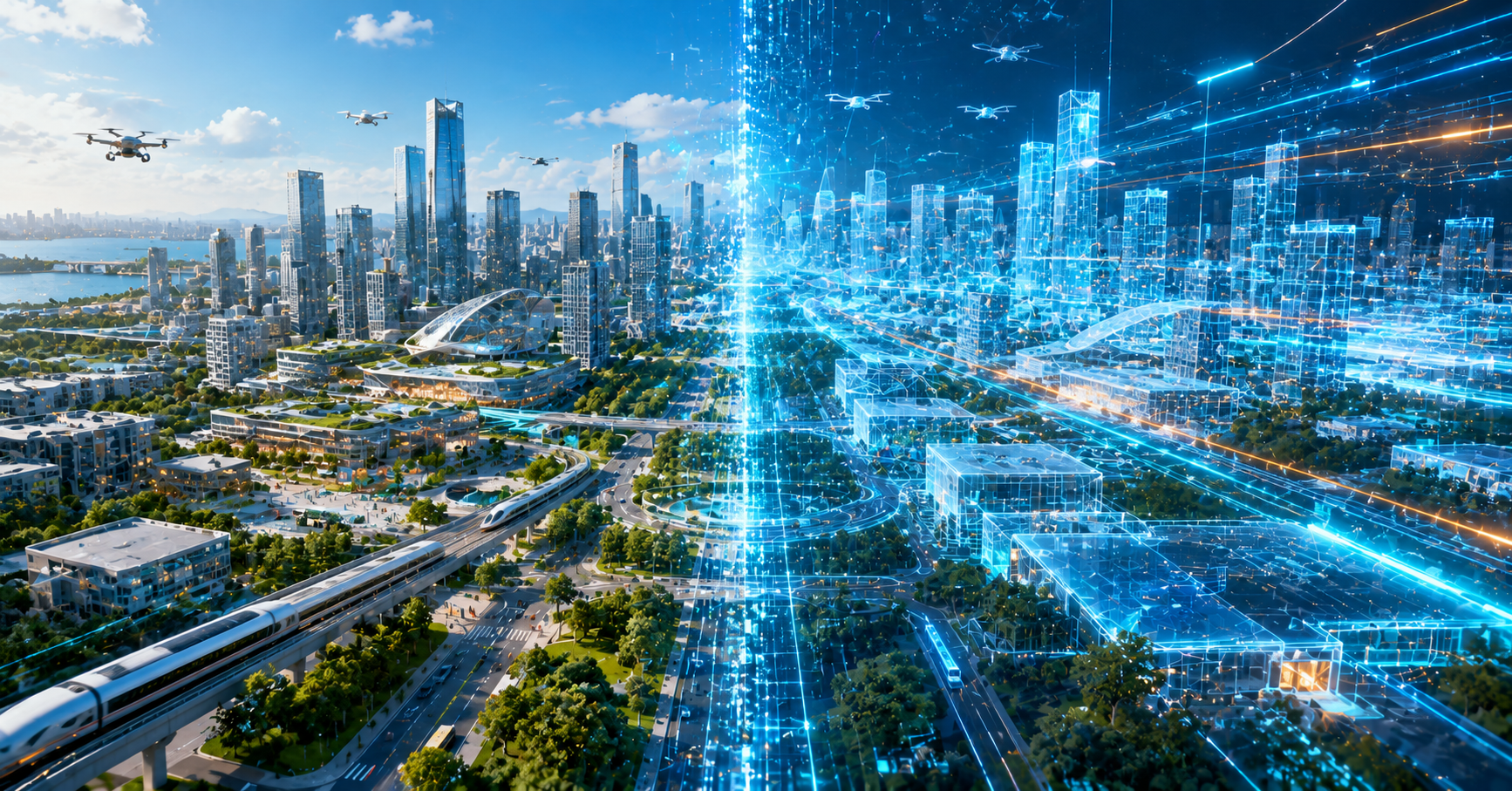
Digital twin technology is rapidly changing how organizations design, monitor, and optimize physical assets. Businesses across industries are using virtual replicas of real-world systems to improve performance, reduce costs, and make smarter decisions.
The growing adoption of Digital Twins Applications is helping companies gain real-time insights into equipment, infrastructure, manufacturing processes, and entire business operations. By creating digital representations of physical assets, organizations can simulate scenarios, predict outcomes, and identify problems before they occur.
As Industry 4.0 technologies continue evolving, digital twins are becoming an essential component of digital transformation strategies.
Table of Contents
- What Are Digital Twins Applications?
- How Digital Twin Technology Works
- 10 Powerful Digital Twins Applications
- Key Benefits of Digital Twins
- Future Trends
- Frequently Asked Questions
- Conclusion
What Are Digital Twins Applications?
Digital Twins Applications refer to the use of virtual models that accurately represent physical objects, systems, processes, or environments.
A digital twin continuously receives real-time data from sensors, devices, and connected systems. This data enables the virtual model to reflect the current state and performance of its physical counterpart.
Organizations use digital twins to analyze performance, test improvements, identify risks, and optimize operations without affecting real-world assets.
As technology advances, digital twins are becoming increasingly valuable across multiple industries.
How Digital Twin Technology Works
Digital twins combine several advanced technologies.
These include Internet of Things (IoT) sensors, cloud computing, artificial intelligence, machine learning, data analytics, and simulation software.
Sensors collect real-time information from physical assets and transmit it to digital platforms.
The digital twin processes this information and creates an accurate virtual representation of the asset.
Organizations can then monitor conditions, simulate changes, predict failures, and make data-driven decisions.
This ability to bridge the physical and digital worlds is what makes digital twin technology so powerful.
1. Smart Manufacturing
Manufacturing remains one of the most common areas for Digital Twins Applications.
Manufacturers use digital twins to monitor production lines, improve efficiency, and identify maintenance requirements before equipment failures occur.
This reduces downtime and improves productivity.
2. Predictive Maintenance
Traditional maintenance often relies on fixed schedules.
Digital twins enable predictive maintenance by analyzing equipment performance in real time.
Organizations can identify issues before failures happen, reducing repair costs and operational disruptions.
3. Smart Cities
City planners are increasingly adopting digital twin technology.
Virtual city models help monitor infrastructure, transportation systems, utilities, and environmental conditions.
These insights improve urban planning and resource management.
4. Healthcare Innovation
Healthcare organizations are exploring digital twins for patient care, medical equipment management, and treatment simulations.
Digital models can help improve outcomes while supporting more personalized healthcare strategies.
5. Energy and Utilities
Energy providers use digital twins to monitor power plants, renewable energy systems, and utility infrastructure.
Real-time visibility improves efficiency and supports better operational planning.
6. Supply Chain Optimization
Supply chain disruptions can create significant challenges.
Digital twins help organizations visualize supply chain operations and identify potential bottlenecks.
This improves resilience and operational efficiency.
7. Aerospace and Aviation
Aircraft manufacturers and airlines use digital twins to monitor equipment performance and improve maintenance planning.
These capabilities enhance safety and reduce operational costs.
8. Construction and Infrastructure
Construction companies use digital twin models to track project progress and evaluate building performance.
This improves planning, collaboration, and long-term asset management.
9. Retail Operations
Retail organizations are beginning to explore Digital Twins Applications for inventory management, customer behavior analysis, and store optimization.
These insights help improve customer experiences and operational performance.
10. Product Development
Digital twins enable engineers to test designs in virtual environments before building physical prototypes.
This accelerates innovation while reducing development costs.
Key Benefits of Digital Twins Applications
Organizations continue investing in digital twins because of the significant benefits they provide.
Improved Decision-Making
Real-time insights help leaders make more informed business decisions.
Reduced Operational Costs
Predictive maintenance and optimization reduce unnecessary expenses.
Increased Efficiency
Organizations can identify performance improvements more quickly.
Better Risk Management
Simulation capabilities allow businesses to test scenarios before implementing changes.
Enhanced Innovation
Virtual experimentation enables faster development and continuous improvement.
These benefits make digital twin technology attractive across industries.
Future Trends in Digital Twins Applications
The future of digital twins will be shaped by artificial intelligence, advanced analytics, and increasing connectivity.
Organizations are expected to create more sophisticated digital models capable of predicting outcomes with greater accuracy.
Future Digital Twins Applications may integrate more deeply with AI-powered automation systems, smart factories, autonomous vehicles, and intelligent infrastructure.
As computing power continues improving, digital twins will become even more valuable for business operations and innovation.
Experts expect adoption to increase significantly over the next decade.
Frequently Asked Questions
What are Digital Twins Applications?
Digital Twins Applications involve creating virtual representations of physical assets, systems, or environments to monitor performance and improve decision-making.
What industries use digital twins?
Manufacturing, healthcare, energy, aerospace, construction, retail, and smart city initiatives are among the leading users.
How do digital twins improve efficiency?
They provide real-time visibility, predictive analytics, and simulation capabilities that help organizations optimize operations.
Are digital twins part of Industry 4.0?
Yes. Digital twin technology is considered a key component of Industry 4.0 and digital transformation initiatives.
What technologies support digital twins?
IoT, artificial intelligence, cloud computing, machine learning, sensors, and advanced analytics all contribute to digital twin functionality.
What Is a Digital Twin? – IBM