Best Wireless Earbuds Compared: Sound, Battery, and Value
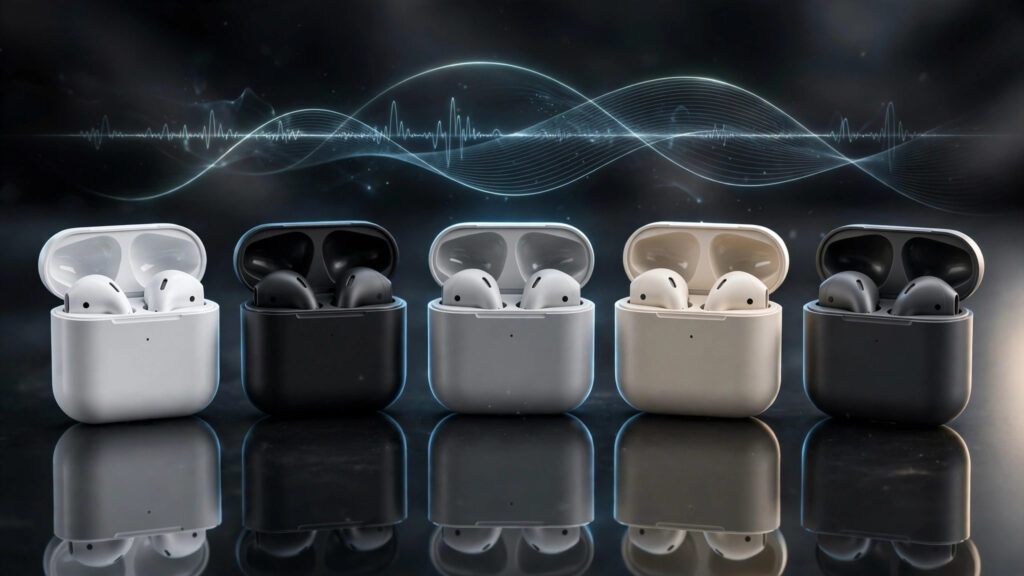
Finding the best wireless earbuds in 2026 means navigating a market that’s simultaneously mature and confusing: flagship buds now rival wired headphones for sound quality, mid-range options have closed most of the gap, and budget picks under $50 are shockingly competent. The right choice depends less on brand hype and more on matching strengths — sound signature, noise cancellation, battery life, fit, and ecosystem features — to how you’ll actually use them. After comparing the current generation across sound tests, real-world battery measurements, call quality, and comfort over long listening sessions, this guide breaks down what specs genuinely matter and which earbuds deserve your money at every price point.
What Actually Matters When Choosing the Best Wireless Earbuds
Marketing focuses on driver sizes and codec alphabet soup, but a few factors dominate real-world satisfaction. Fit is king — the best-sounding earbuds are worthless if they fall out on a run, so tip selection (silicone, foam, multiple sizes) and nozzle shape matter more than most specs. Sound quality hinges on tuning more than driver count: look for balanced tuning with clear mids rather than bloated bass, and check whether the companion app offers a real parametric or graphic EQ. Active noise cancellation (ANC) quality varies enormously: the best systems erase airplane drone and office chatter, while weak ANC is barely better than passive isolation — read measured reviews, not spec sheets. Battery life should be judged as case-plus-buds total (aim for 24+ hours combined, 6+ per charge), and wireless charging plus fast-charge (10 minutes for an hour of playback) are genuinely useful. For calls, multiple microphones with wind-noise reduction separate the good from the unusable. Finally, multipoint connectivity — staying paired to your phone and laptop simultaneously — is a quality-of-life feature you’ll miss immediately if you don’t have it.
Best Wireless Earbuds: Flagship Picks
At the top of the market, three contenders define the state of the art. Sony’s WF-1000X series continues to set the ANC benchmark for earbuds, with class-leading noise cancellation, refined sound with excellent EQ customization, and strong call quality — the default recommendation for most buyers who want the best all-rounder. Apple’s AirPods Pro remain unbeatable for iPhone users thanks to deep iOS integration (spatial audio head tracking, seamless device switching, Find My), very good ANC, and a comfortable fit, though Android users lose most of the magic. Bose’s QuietComfort Earbuds compete on pure noise cancellation and a warm, pleasant sound signature, appealing to frequent flyers who prioritize silence above all. Samsung’s Galaxy Buds line deserves mention for Galaxy phone owners, with tight ecosystem integration and solid ANC. All flagships now support high-quality codecs (LDAC, aptX Adaptive, or LC3) — but remember the codec only matters if your phone supports it too, so check your device before paying extra for codec support you can’t use.
Best Wireless Earbuds for Value and Budget
You don’t need to spend flagship money anymore. The mid-range ($80–$150) is the sweet spot: models from Soundcore (Anker), EarFun, and Nothing deliver 80% of flagship performance — respectable ANC, good sound with EQ apps, wireless charging, and multipoint — at half the price. Soundcore’s Liberty series in particular has become the default “just buy these” recommendation for value seekers, with battery life that often beats flagships. Under $50, expectations must be calibrated — ANC will be weak or absent — but brands like EarFun, Soundcore’s Life series, and JLab produce genuinely enjoyable sound and reliable connectivity for workouts and commuting. The trick at budget levels is prioritizing: pick sound and fit over feature checklists, since budget ANC and spatial audio are usually marketing rather than substance. One caution across all budget buds: water resistance ratings matter if you exercise — look for IPX5 or better for sweat, and don’t trust vague “splash-proof” claims without a rating.
Specialty Picks: Running, Sleeping, and Calls
Some use cases deserve purpose-built designs. For running and workouts, look for ear hooks or wingtips (Beats Fit Pro, Jabra Elite Active series) plus IP57 water/dust resistance — standard buds will migrate out of sweaty ears. For sleeping, ultra-small buds like the Soundcore Sleep A20 or Loop-style designs sit flush so side-sleepers don’t feel them, trading ANC for comfort. If calls dominate your day, prioritize microphone arrays tested in wind and noise — historically AirPods Pro, Sony, and Jabra lead here — and consider that stem-style buds position mics closer to your mouth than bean-shaped ones. Audiophiles chasing wired-like quality should look at buds with LDAC or aptX Lossless support paired with a compatible phone, though the real-world difference over good AAC/SBC tuning is smaller than forums suggest. And if you wear hearing aids or need awareness, strong transparency modes (Apple, Sony, and Bose lead) matter more than raw ANC power — test how natural outside sound feels, not just how quiet things get.
FAQs
Q: Are expensive wireless earbuds worth it over budget ones?
A: Flagships win on ANC strength, call quality, and ecosystem features. But mid-range buds at half the price now deliver most of the sound quality — upgrade to flagship mainly for top-tier noise cancellation or deep phone integration.
Q: How important are Bluetooth codecs like LDAC and aptX?
A: They matter only if both your earbuds and phone support them. Good tuning on basic AAC often beats poor tuning on LDAC — prioritize overall sound reviews over the codec list.
Q: How long should wireless earbuds last?
A: Expect 2–4 years before battery degradation becomes noticeable. You can’t replace earbud batteries, so consider longevity and warranty when choosing between similarly priced options.
Q: Do I need multipoint connectivity?
A: If you regularly switch between a phone and laptop, yes — it’s one of the most noticeable quality-of-life features. If you use one device, you won’t miss it.

admin
Tech writer at HubTech Fusion covering the latest in technology, from AI to cybersecurity and beyond.
Related Articles

MacBook vs Windows Laptop: Which Should You Buy?
The MacBook vs Windows laptop debate has shifted dramatically in recent years. Apple’s silicon chips rewrote the rules on laptop battery life…
Best Budget Smartphones Worth Buying Right Now
The best budget smartphones of 2026 have quietly become the smartest buys in mobile: mid-range chips now handle everything flagships do for…
Best Smartwatches Compared: Fitness, Battery, and Features
Choosing the best smartwatches in 2026 is really about matching the watch to your wrist, your phone, and your workouts — because…